
BLUF:
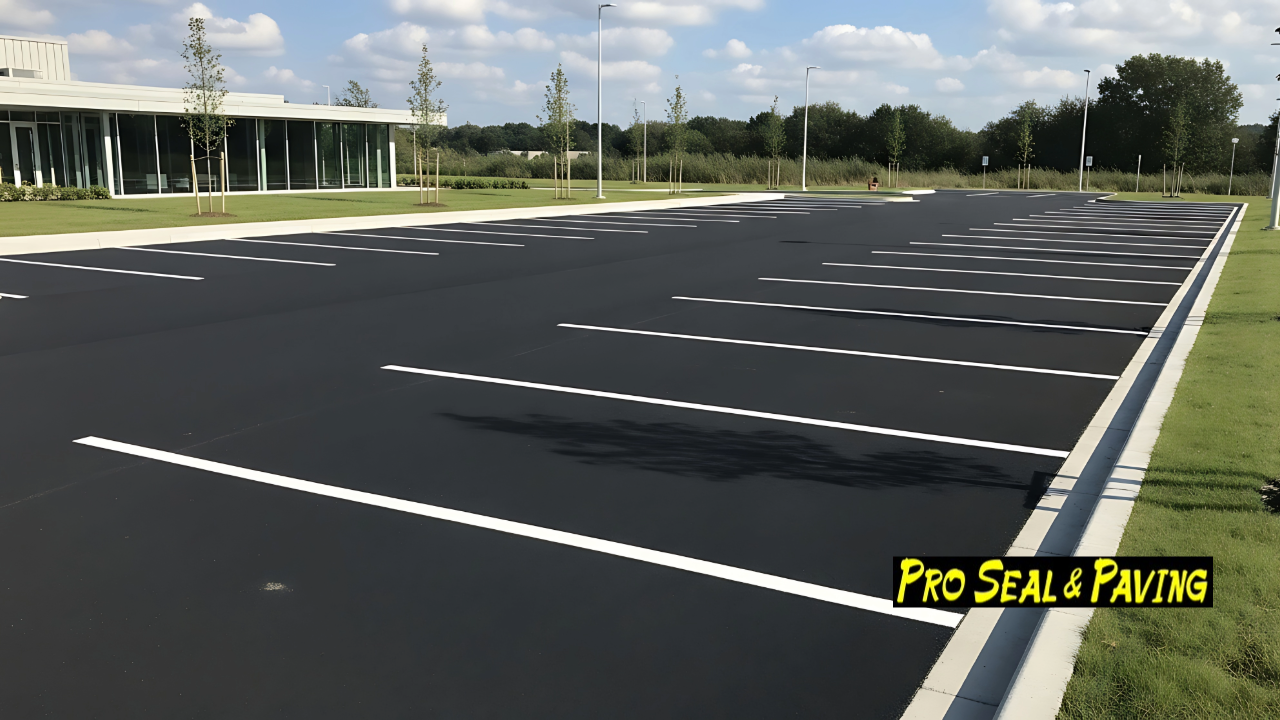
Commercial paving in Batavia, Oakfield, and Albion New York is not just about appearance. It is critical infrastructure that directly affects business safety, liability, accessibility, and long term property value. Western New York’s freeze thaw cycles, heavy vehicle traffic, snow removal, and moisture demand properly engineered parking lots with strong bases, effective drainage, and durable asphalt. Clear striping, ADA compliant handicap parking, fire lanes, and pedestrian markings are essential for safety and code compliance. When commercial paving, repairs, and striping are done correctly, businesses reduce risk, improve traffic flow, meet accessibility requirements, and create a professional first impression that supports daily operations for years.
I have worked with business owners across Western New York long enough to know that a parking lot is never just a parking lot. It is the first point of contact for your customers, employees, and delivery drivers. Before anyone walks through your door, they judge your operation by the condition, safety, and layout of your pavement.
In communities such as Batavia, Oakfield, and Albion, commercial paving is not optional maintenance. Infrastructure affects liability, accessibility, traffic flow, and long-term property value. When it is ignored, problems compound quickly. When it is done right, it quietly supports your business every day.
This article explains how commercial paving, striping, repairs, and safety features work together to protect businesses in Western New York.
Why Commercial Pavement Matters More Than Most Businesses Realize
Commercial pavement takes far more abuse than residential driveways. Delivery trucks, service vehicles, employee traffic, snowplows, and constant turning stress the surface and the underlying base.
In Western New York, add:
- Freeze and thaw cycles
- Heavy spring moisture
- Snow removal equipment
- Deicing materials
Without proper construction and maintenance, parking lots deteriorate fast. Cracks allow water in. Water freezes. Asphalt separates. Liability risks increase.
A failed parking lot is not just expensive to repair. It exposes businesses to slip-and-fall claims, vehicle-damage complaints, and accessibility violations.
Commercial Paving for Parking Lots and Access Areas
New Commercial Paving
New commercial paving starts long before asphalt is installed. The most critical work happens below the surface.
Proper commercial paving includes:
- Excavation to remove unstable soils
- Installation of a heavy-duty aggregate base
- Compaction designed for truck traffic
- Grading for drainage and snow melt
- Asphalt thickness appropriate for load requirements
In Batavia and Albion, where many commercial properties sit on older developed land, we often rebuild parking lots that were never designed for modern traffic volumes. In Oakfield, rural commercial sites frequently require deeper bases to support heavier vehicles and agricultural or industrial equipment.
Commercial Paving Is Not One Size Fits All
Retail lots, medical offices, warehouses, and mixed-use properties all have different load patterns. Turning zones, delivery lanes, dumpster pads, and fire lanes require reinforced construction.
A well-designed commercial lot reflects how your business actually operates.
Commercial Asphalt Repairs and Pavement Restoration
Crack Sealing and Surface Repairs
Small cracks are not cosmetic. They are entry points for water. Crack sealing is one of the most cost-effective ways to extend pavement life when done early.
Ignoring cracks allows water to undermine the base, leading to potholes and structural failure.
Patching and Structural Repairs
When sections of pavement fail, patching is often required. The key is to remove damaged asphalt and repair the base beneath it. Surface patches without base repair are temporary at best.
Common repair areas include:
- Parking stalls
- Drive lanes
- Loading zones
- Dumpster enclosures
- Utility cuts
Resurfacing and Overlays
In some cases, resurfacing can restore a lot if the base is still sound. This involves milling or cleaning the surface and installing a new asphalt layer.
Resurfacing is not a cure for base failure. A professional evaluation determines whether it is appropriate.
Striping and Pavement Markings
Why Striping Is a Safety Issue
Faded or confusing striping creates traffic conflicts, pedestrian hazards, and accessibility issues. Striping is not just paint. It is a traffic control system.
Proper striping:
- Organizes vehicle flow
- Defines pedestrian areas
- Improves parking efficiency
- Reduces accidents and disputes
ADA Compliant Handicap Parking
Accessible parking is not optional. Businesses must provide properly sized, clearly marked handicap parking spaces with correct access aisles and signage.
Handicap parking compliance includes:
- Correct stall width
- Proper access aisle dimensions
- High visibility striping
- Signage placement
- Clear path to building entrances
Failure to comply exposes businesses to fines, lawsuits, and forced corrections.
Fire Lanes and No Parking Zones
Fire lanes must be clearly marked and maintained. Faded markings can delay emergency response and create code violations.
Commercial striping ensures these areas remain visible year-round.
Parking Lot Safety and Liability Reduction
Pedestrian Safety
Commercial lots must safely handle foot traffic. Crosswalks, walkways, and curb transitions must be clearly marked and well maintained.
Poor pavement conditions are a leading cause of slip-and-fall claims.
Lighting and Visibility
While not part of paving itself, striping and layout should work with lighting to maximize nighttime visibility. Reflective markings improve safety during low light and winter conditions.
Snow Removal Considerations
Western New York businesses deal with snow. Pavement design should account for plow patterns, snow storage areas, and curb protection.
Proper grading prevents snow melt from refreezing into hazardous ice patches.
Commercial Paving by Town
Batavia New York
Batavia’s commercial properties include retail centers, medical offices, restaurants, and light industrial sites. Many lots were built decades ago and now carry heavier traffic than originally intended.
Commercial paving here often involves:
- Full reconstruction
- Drainage corrections
- ADA updates
- Traffic flow redesign
Oakfield New York
Oakfield businesses often serve agricultural, industrial, or regional traffic. Parking lots and access roads must handle heavier loads and wider turning movements.
Durability and base strength are critical.
Albion New York
Albion commercial lots often sit close to buildings and sidewalks. Drainage control and pedestrian safety are top priorities.
Careful grading and striping help prevent water intrusion and improve accessibility.
Maintenance Planning for Commercial Properties
Commercial pavement performs best when maintained proactively. Waiting until failure costs more.
A maintenance plan may include:
- Annual inspections
- Crack sealing schedules
- Periodic striping refresh
- Timely repairs to problem areas
- Planned resurfacing cycles
This approach extends pavement life and controls long term costs.
What Business Owners Should Ask Before Hiring a Contractor
Before starting any commercial paving project, business owners should ask:
- How will drainage be handled
- What asphalt thickness is planned
- How will ADA compliance be ensured
- How will traffic flow be managed during work
- What maintenance plan is recommended
Clear answers indicate a contractor who understands commercial requirements.
Final Thoughts for Business Owners
Commercial paving, striping, and repairs are not cosmetic expenses. They are investments in safety, compliance, and business reputation.
In Batavia, Oakfield, and Albion, New York, the combination of climate, traffic, and regulatory requirements makes professional commercial paving essential.
When done correctly, your parking lot becomes something you never have to think about. Customers move safely. Employees park confidently. Inspectors see compliance. That is how it should be.
Book an estimate for your business.

Owner of PRO SEAL & PAVING
17+ years of experience