Demolition That Clears the Way for Progress
Old structures create risk, limit property value, and block new development. At Pro Seal & Paving, demolition is not just teardown. It is the first critical step in preparing land for paving, construction, or redevelopment.
From swimming pools and barns to abandoned homes and warehouses, we remove what no longer serves your property and leave behind a clean, stable site ready for the next phase.
From swimming pools and barns to abandoned homes and warehouses, we remove what no longer serves your property and leave behind a clean, stable site ready for the next phase.
Why Professional Demolition Matters
Demolition done wrong leads to settling, drainage failure, and expensive rework. Demolition done right creates a foundation for long term success.
Prevents future ground collapse and surface failure
Protects nearby structures and utilities
Ensures proper backfill and compaction
Speeds up redevelopment timeines
Prevents future ground collapse and surface failure
Protects nearby structures and utilities
Ensures proper backfill and compaction
Speeds up redevelopment timeines
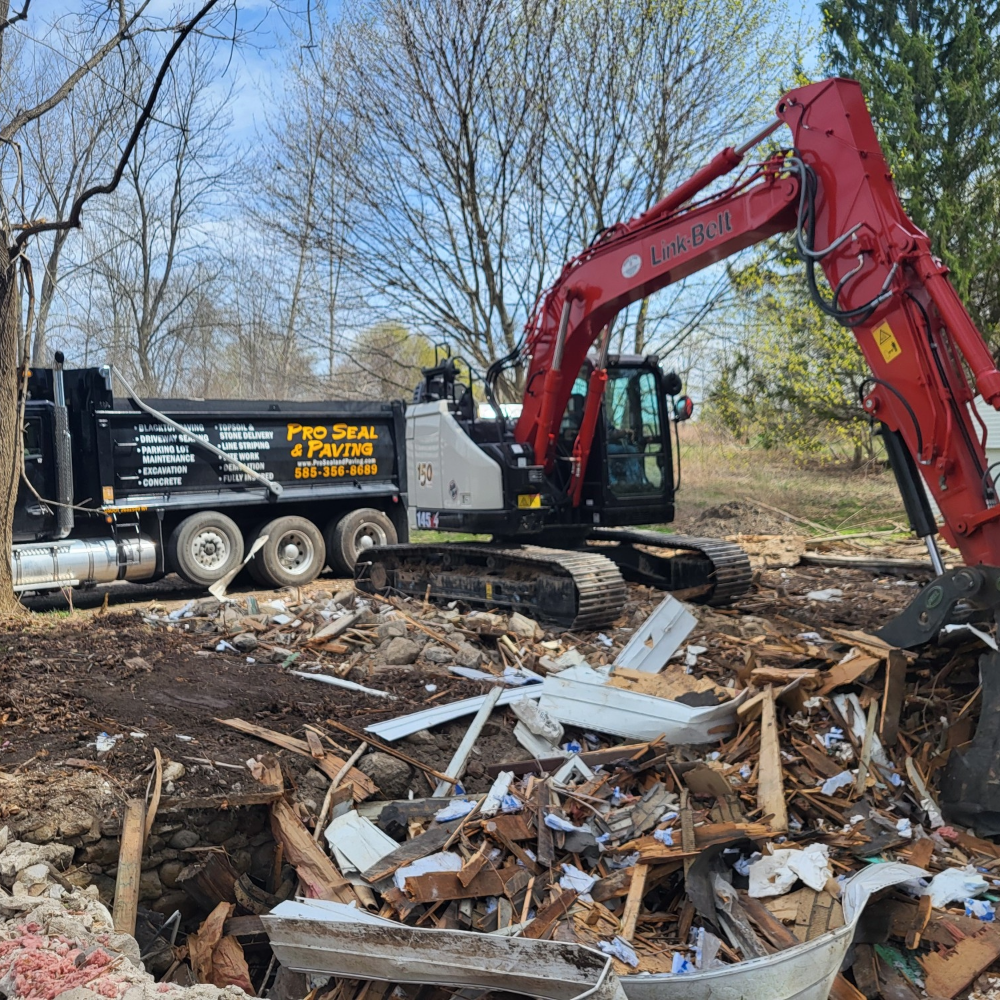
Complete Removal. Zero Guesswork.
Full Structure Demolition Services
Residential Demolition
- In-ground & above-ground swimming pool removal
- Barn and agricultural structure demolition
- Abandoned and unsafe home demolition
- Garage, shed, and outbuilding removal
Commercial & Industrial Demolition
- Warehouse demolition
- Light commercial building removal
- Industrial storage and utility structure demolition
- Parking lot and concrete structure removal
Precision Beats Force Always.
Heavy Concrete & Foundation Demolition
Some structures cannot simply be knocked down.
We specialize in controlled demolition of:
- Concrete foundations and basements
- Reinforced slabs and equipment pads
- Retaining walls and thick concrete structures
- Pool shells and surrounding deck systems
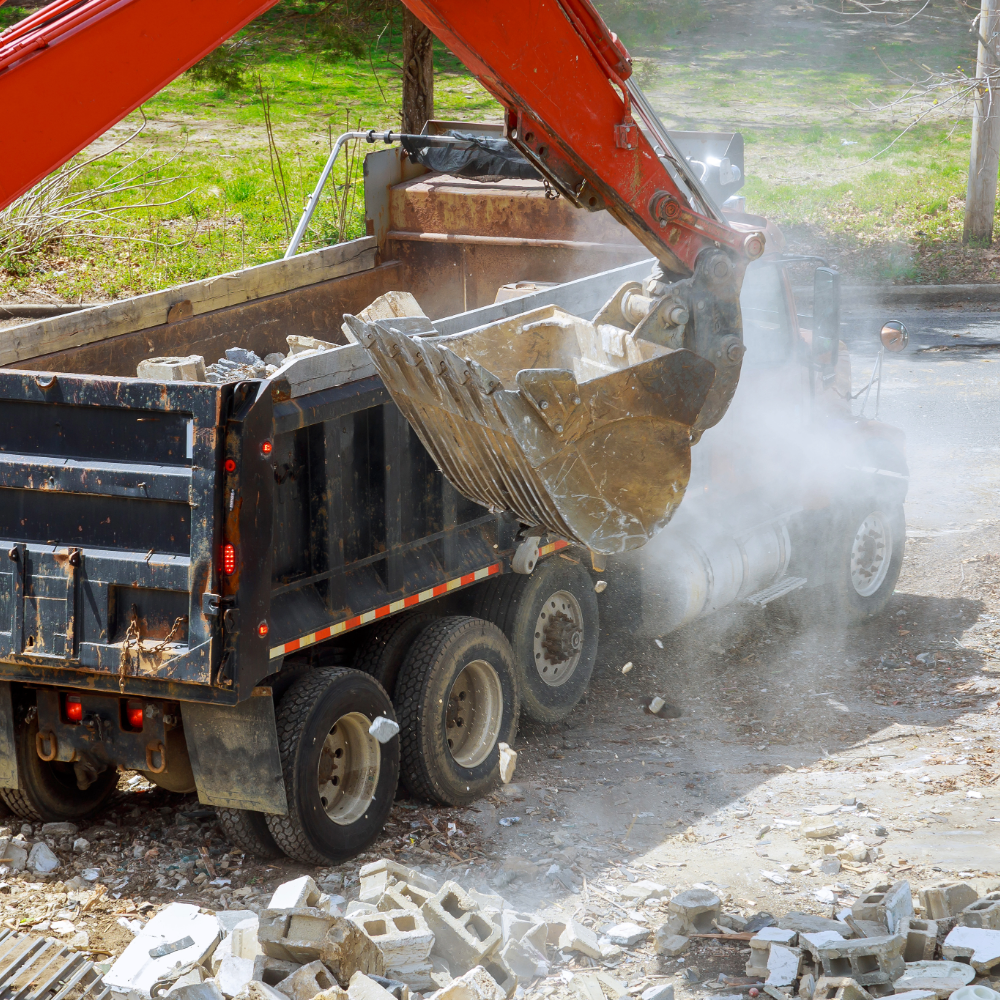
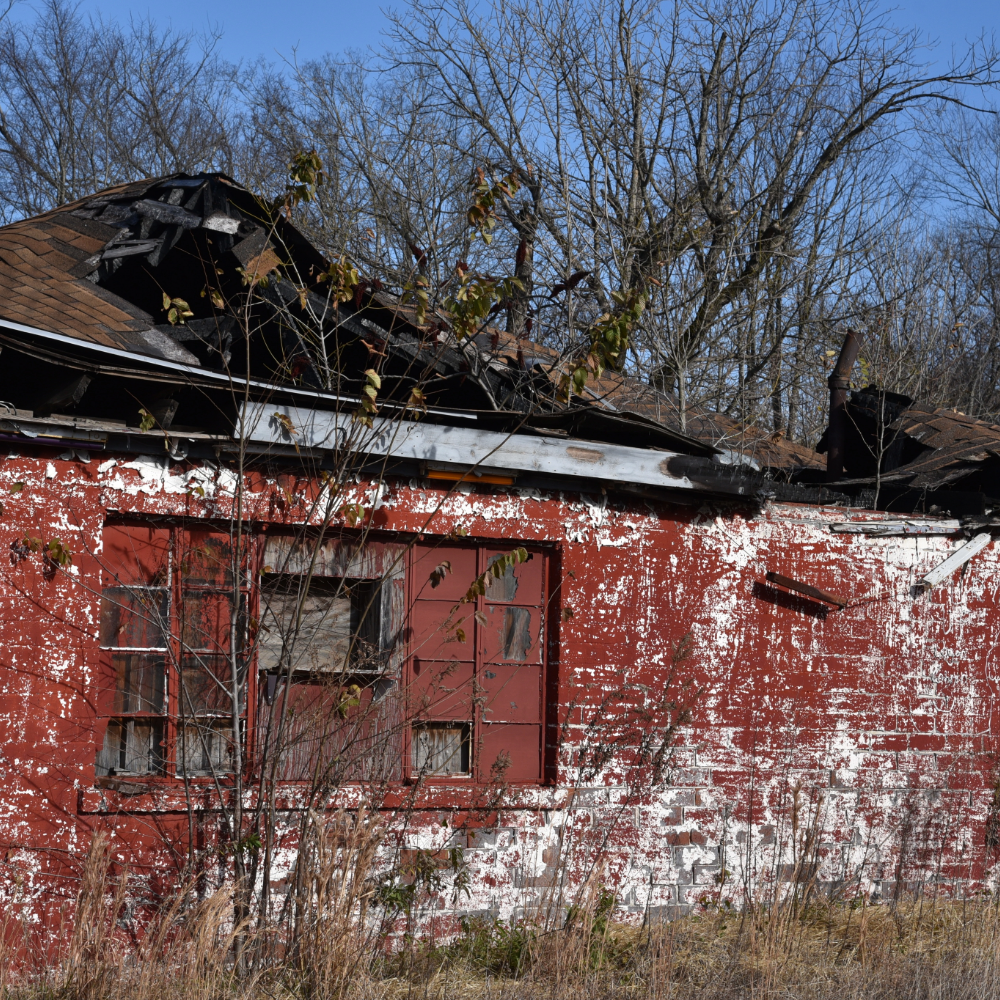
Built For Rural Scale.
Agricultural & Rural Property Demolition
Large rural parcels require experience, planning, and the right equipment.
We handle:
- Pole barns and post-frame buildings
- Silos and feed bunkers
- Grain bins and agricultural pads
- Legacy farm structures no longer in use
Demolition Done Right First.Our Demolition Process
Our demolition process is built to eliminate risk and protect what comes next. From careful planning and controlled removal to proper backfill, compaction, and final grading, every step is handled to ensure the site is stable, drainable, and truly ready for paving, construction, or resale.
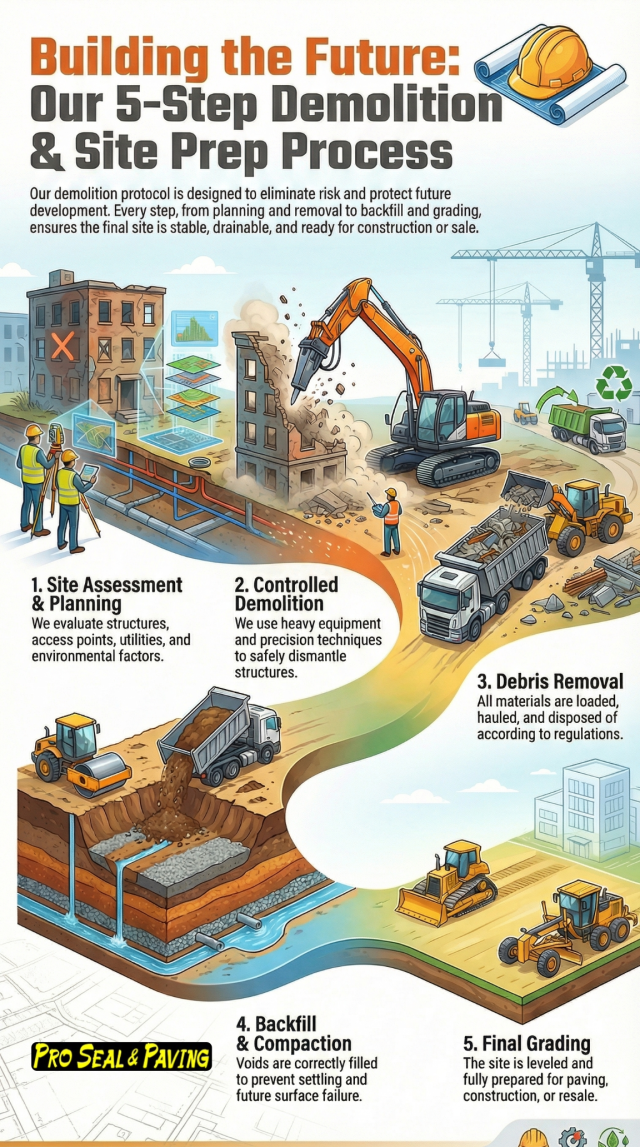
Step 1: Site Assessment & Planning
We evaluate structural conditions, access points, utilities, and environmental considerations.
Step 2: Controlled Demolition
Using heavy equipment and precision techniques to safely dismantle structures.
Step 3: Debris Removal
All materials are loaded, hauled, and disposed of properly.
Step 4: Backfill & Compaction
Voids are filled correctly to prevent settling or future surface failure.
Step 5: Final Grading
The site is leveled and prepared for paving, construction, or sale.

DEMOLITION FAQs
Frequently Asked Questions
Click to Open
These FAQs answer the fundamental questions property owners face when dealing with unsafe, outdated, or unusable structures. They address the hidden risks of improper demolition, including drainage failure, soil instability, settlement, liability exposure, and delayed redevelopment. By explaining what happens before, during, and after demolition, this section helps property owners make informed decisions that protect their land, improve long-term value, and ensure their site is genuinely ready for paving, construction, or resale.
1. What types of structures can be demolished on residential properties?
Residential demolition can include homes, garages, barns, sheds, pools, concrete slabs, foundations, and abandoned structures.
2. Can an old barn or outbuilding be demolished safely near active property?
Yes, with proper planning, equipment control, and debris management, barns and outbuildings can be removed without damaging nearby structures.
3. Is in-ground pool demolition better than filling it in?
Full pool demolition is usually better long term because it removes the shell, prevents collapse, and avoids future settlement or resale issues.
4. What happens if old foundations are left underground?
Buried foundations can trap water, cause soil instability, and lead to settlement that damages future paving or construction.
5. Can abandoned homes be demolished even if they are partially collapsed?
Yes. Collapsed or unsafe structures can be safely demolished using controlled techniques and heavy equipment.
6. Do demolition projects include debris removal?
Professional demolition includes loading, hauling, and proper disposal of all demolition debris.
7. Will demolition affect nearby utilities or underground lines?
Utilities are identified and protected before demolition begins to prevent damage or service disruption.
8. Is demolition required before new paving or site work?
In many cases, yes. Old structures and buried concrete must be removed to ensure stable subgrade conditions.
9. How long does a typical demolition project take?
Most residential or small commercial demolitions take one to several days, depending on structure size and site conditions.
10. Can demolition improve drainage issues on a property?
Yes. Removing buried concrete and correcting grade allows water to drain properly instead of pooling underground.
11. What causes ground settlement after demolition?
Improper backfill, poor compaction, or leaving debris underground leads to settlement months or years later.
12. Can warehouses and commercial buildings be demolished selectively?
Yes. Partial or selective demolition can remove only the necessary sections while preserving other structures.
13. Is demolition noisy or disruptive to neighbors?
Demolition is temporary and managed carefully to minimize noise, dust, and disruption.
14. What risks come from delaying demolition of unsafe structures?
Delays increase safety hazards, liability exposure, drainage damage, and overall project cost.
15. Does demolition help increase property value?
Yes. Removing unsafe or unusable structures often improves usability, curb appeal, and resale value.
16. Can demolition be combined with excavation and grading?
Yes. Combining services reduces delays and ensures the site is properly prepared for the next phase.
17. Are agricultural structures like silos and feed bunkers included?
Yes. Agricultural demolition includes silos, bunkers, equipment pads, and unused farm buildings.
18. What happens to the ground after a structure is removed?
The area is backfilled, compacted, and graded to create a stable, build-ready surface.
19. Is demolition required to correct failed past site work?
Often, yes. Improperly removed structures usually must be re-excavated and corrected.
20. Can demolition uncover hidden site problems?
Yes. Demolition often reveals drainage issues, buried debris, or failing soil that needs correction.
21. Will demolition affect future inspections or permits?
Proper demolition makes future inspections smoother by eliminating hidden site risks.
22. Is demolition different for rural versus residential properties?
Rural sites often involve larger structures and heavier concrete, requiring specialized equipment and planning.
23. What makes professional demolition better than DIY removal?
Professional demolition prevents safety hazards, soil failure, drainage problems, and costly mistakes.
24. Can demolition be done year round?
Yes. With proper equipment and planning, demolition can be performed in most weather conditions.
25. What should property owners do before scheduling demolition?
Have a professional assess the site, structures, drainage, and long term goals before any removal begins.
SITE WORK PROFESSIONALS YOU CAN TRUST
Clear the Site. Protect the Investment. Start Now.
Clear the Site. Protect the Investment. Start Now.
FAMILY-OWNED BUSINESS IN ALBION, NYContact us now to get quote
Ready to get started? Pro Seal & Paving serves Albion, Batavia, and surrounding counties. Contact us today to schedule your estimate.

RESOURCES
Contact Us
306 Ellicott St Batavia, NY 14020
5309 Eagle Harbor Rd Albion, NY 14411
Hours of Operation
Monday - Sunday 8am - 8pm