
BLUF:
As a homeowner in Batavia, Oakfield, or Albion, New York, excavation is the single most important phase of any project involving your foundation, driveway, septic system, utilities, or drainage. In Western New York’s clay heavy soils, high water tables, and freeze thaw climate, mistakes made during excavation do not stay hidden. They lead to cracked foundations, failing septic systems, flooded basements, and driveways that heave and break apart after just a few winters. Proper excavation requires local knowledge, careful soil management, precise grading, and strict attention to frost depth and drainage. When excavation is done correctly from the start, your home remains stable, dry, and protected for decades. When it is rushed or poorly executed, the costs and damage almost always surface later.
In towns like Batavia, Oakfield, and Albion, excavation is not generic. Our soil conditions, frost depth, drainage challenges, and aging infrastructure demand a different level of planning and execution than you will find in many other parts of the country.
This article outlines the most common excavation work homeowners need in these communities and explains why doing it right the first time protects your home and investment.
Why Excavation Matters More in Western New York
Western New York soil is unforgiving. Clay heavy ground, seasonal saturation, and repeated freeze-thaw cycles put constant stress on anything built on or under the surface. When excavation is rushed or done incorrectly, the consequences show up fast.
I have seen foundations crack due to footings set on unstable soil. I have seen brand new driveways buckle after one winter because the base was not properly excavated or compacted. I have seen septic systems fail inspection due to ignored grading and soil separation.
Excavation is not about how fast dirt can be moved. It is about understanding how that soil will behave once the ground freezes, thaws, drains, and settles.
Foundation Excavation for Homes and Additions
Foundation excavation is one of the most critical services we perform. This includes excavation for new homes, garages, additions, and replacement foundations.
In Batavia and Albion, especially, many homes were built decades ago under different building standards. When homeowners add to these properties, excavation must be engineered to work with existing foundations and meet current code requirements.
Key considerations include:
- Digging to proper frost depth
- Maintaining stable sidewalls
- Managing groundwater during excavation
- Preparing a uniform bearing surface
- Preventing soil collapse near existing structures
When foundation excavation is done correctly, the structure above it never moves. When it is done poorly, cracks, settling, and water intrusion become permanent problems.
Driveway and Access Excavation
Driveway excavation is one of the most underestimated residential projects. Homeowners often focus on the asphalt or concrete finish, but the real durability comes from what is underneath.
In Oakfield and other rural areas, long driveways and shared access points require deeper excavation and stronger base preparation. In Batavia and Albion, older driveways often sit on weak subgrades that were never designed for modern vehicle weight.
Proper driveway excavation includes:
- Removing unsuitable soils
- Establishing correct slope for drainage
- Installing a stable aggregate base
- Compacting in controlled lifts
- Accounting for frost movement
When this step is skipped or rushed, surface cracking and heaving are inevitable.
Septic System Excavation
Septic excavation is one of the most regulated and technically demanding types of residential excavation. It involves installing or replacing septic tanks, absorption fields, and connecting piping.
In Oakfield, where many homes rely on septic systems, soil conditions vary significantly even within the same property. Excavation must follow approved designs based on percolation testing and health department requirements.
Common septic excavation challenges include:
- Maintaining correct trench depth and spacing
- Preventing soil smearing
- Protecting infiltration surfaces
- Ensuring proper slope and separation distances
- Avoiding compaction in sensitive areas
A septic system is only as good as the excavation that supports it. Once buried, fixing mistakes is extremely disruptive and costly.
Sewer Line and Water Line Trenching
Many homes in Batavia and Albion are dealing with aging sewer and water lines made from clay, cast iron, or outdated materials. Excavation is often required to replace or reroute these utilities.
Utility trenching must be precise. Dig too shallow and lines freeze. Dig too deep and you risk settlement or unnecessary cost. Improper bedding leads to broken pipes and leaks.
Professional trenching accounts for:
- Proper depth for frost protection
- Uniform bedding materials
- Controlled backfilling
- Protection of nearby utilities
- Surface restoration planning
This type of excavation is not visible once completed, but it plays a critical role in the daily operation of your home.
Drainage and Yard Excavation
Standing water around a home is rarely just a surface problem. In Western New York, poor drainage often leads to basement moisture, foundation damage, and landscape erosion.
Drainage excavation can involve:
- Regrading yards
- Installing swales
- Preparing trenches for drainage systems
- Redirecting runoff away from structures
- Stabilizing slopes and low areas
In Albion, higher water tables make drainage planning especially important. In Batavia, dense residential layouts require careful grading to avoid impacting neighboring properties.
The goal is simple. Water should move away from your home naturally, without relying on pumps or temporary fixes.
Site Clearing and Grading
Site clearing and grading are often the first steps in preparing land for construction, landscaping, or access improvements.
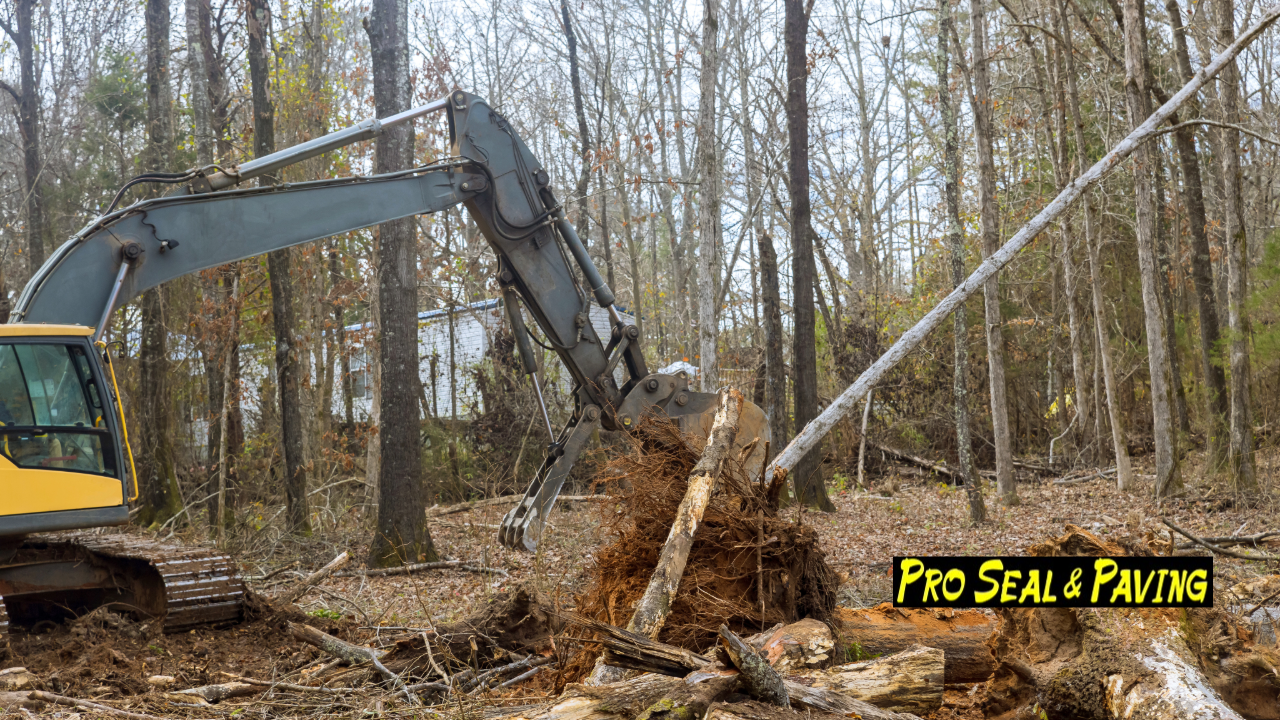
In Oakfield, larger properties may require extensive clearing, stump removal, and re grading to create usable space. In town settings, grading must be controlled to preserve existing structures and comply with drainage regulations.
Effective site preparation includes:
- Removing organic material
- Establishing proper elevations
- Creating stable building pads
- Planning long term drainage patterns
- Preventing erosion during construction
This work sets the stage for everything that follows.
The most common misconception I encounter is that excavation is treated as interchangeable across contractors. It is not.
Equipment alone does not equal expertise. Understanding how soil behaves in Batavia differs from that in Oakfield. Understanding how water moves in Albion requires local experience. Excavation mistakes rarely show up immediately. They reveal themselves after the first hard winter or the first heavy rain.
Cutting corners at this stage almost always costs more later.
The Bottom Line for Homeowners
If you are planning any project involving your foundation, driveway, septic system, utilities, or drainage in Batavia, Oakfield, or Albion, excavation is not the place to compromise.
Done right, excavation provides stability, longevity, and peace of mind. Done wrong, it becomes a hidden liability that follows your home for years.
I believe homeowners deserve to understand what is happening beneath their property. When excavation is approached with planning, precision, and respect for local conditions, it becomes the quiet foundation on which everything else depends.

Owner of PRO SEAL & PAVING
17+ years of experience